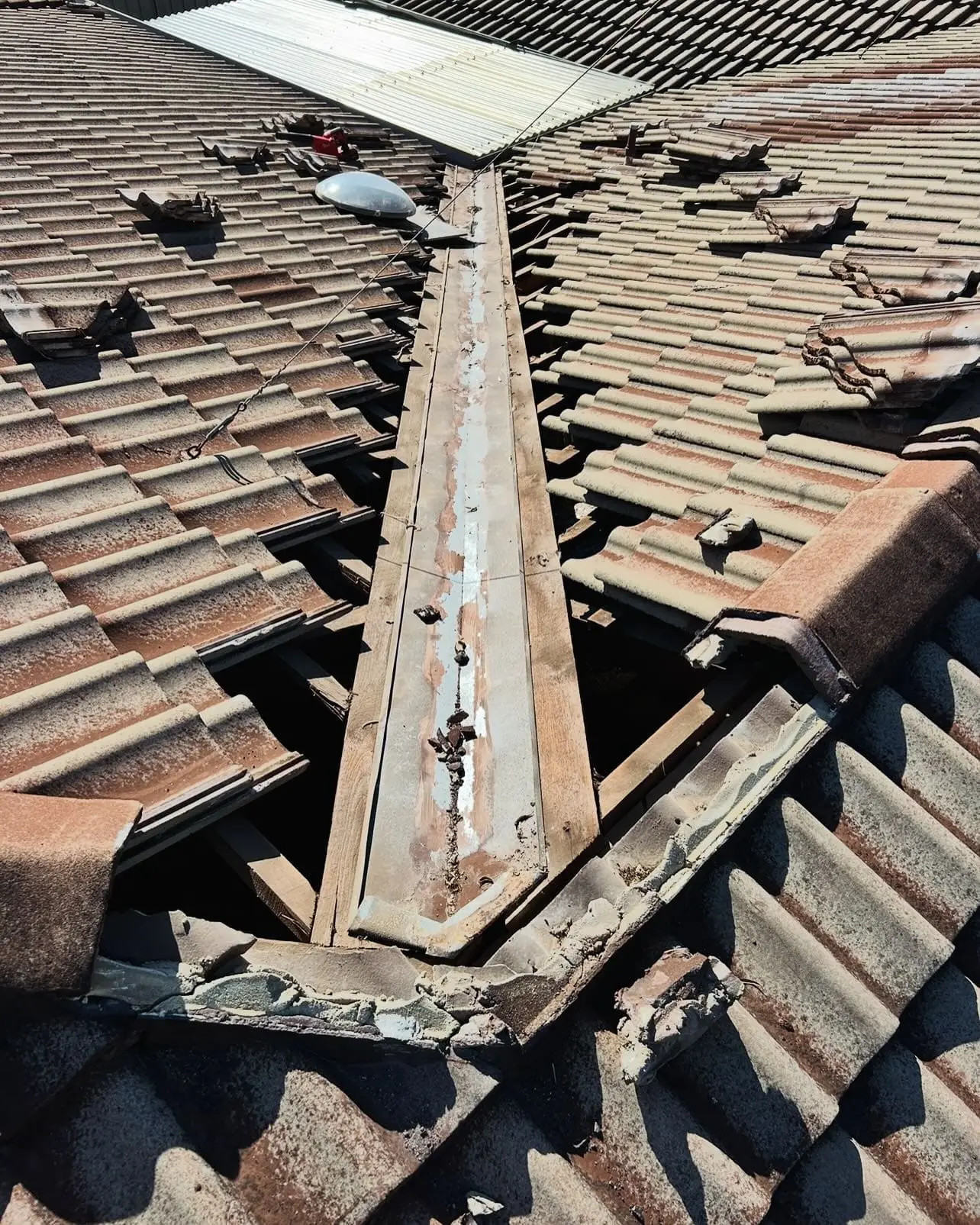
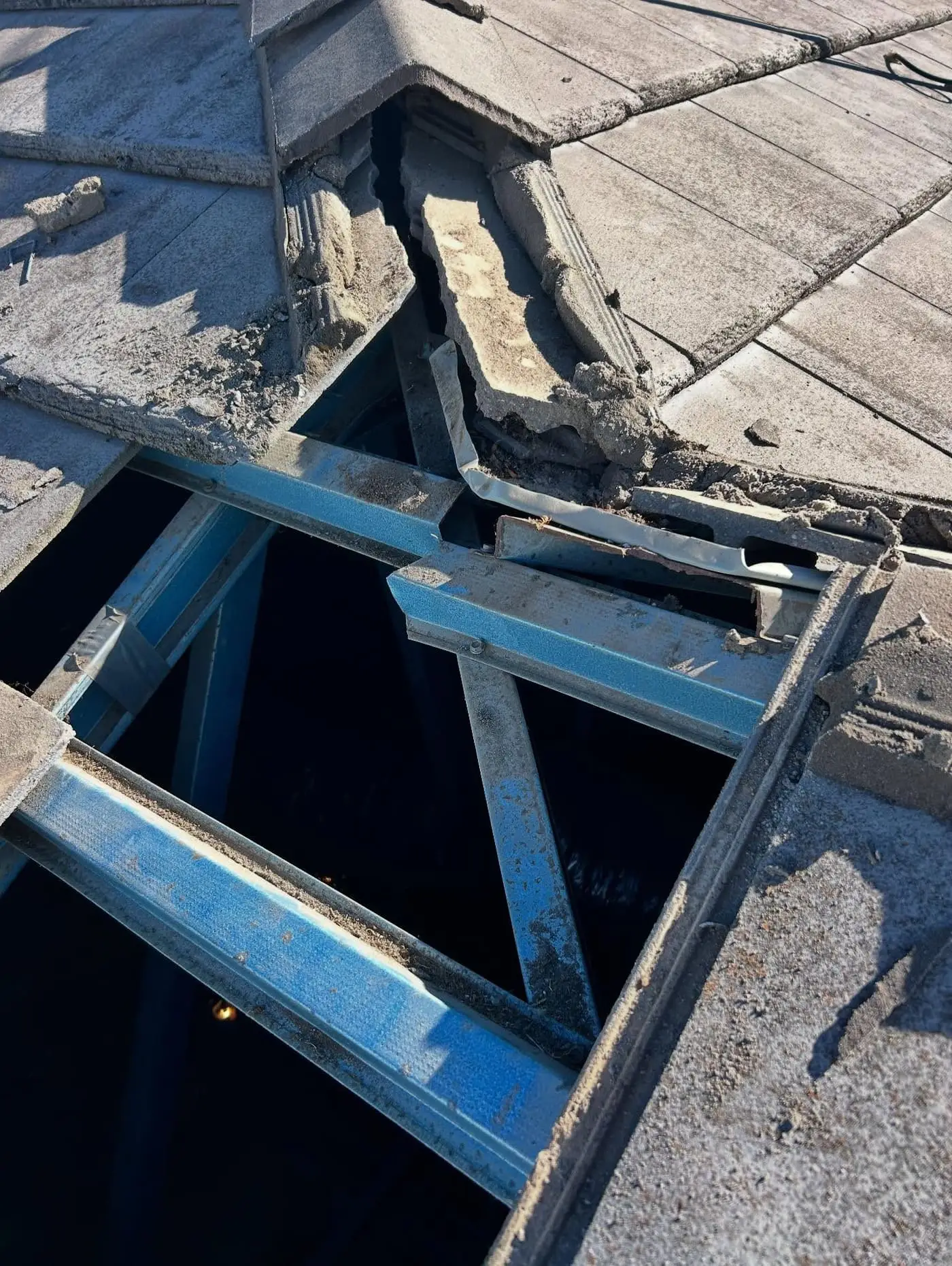
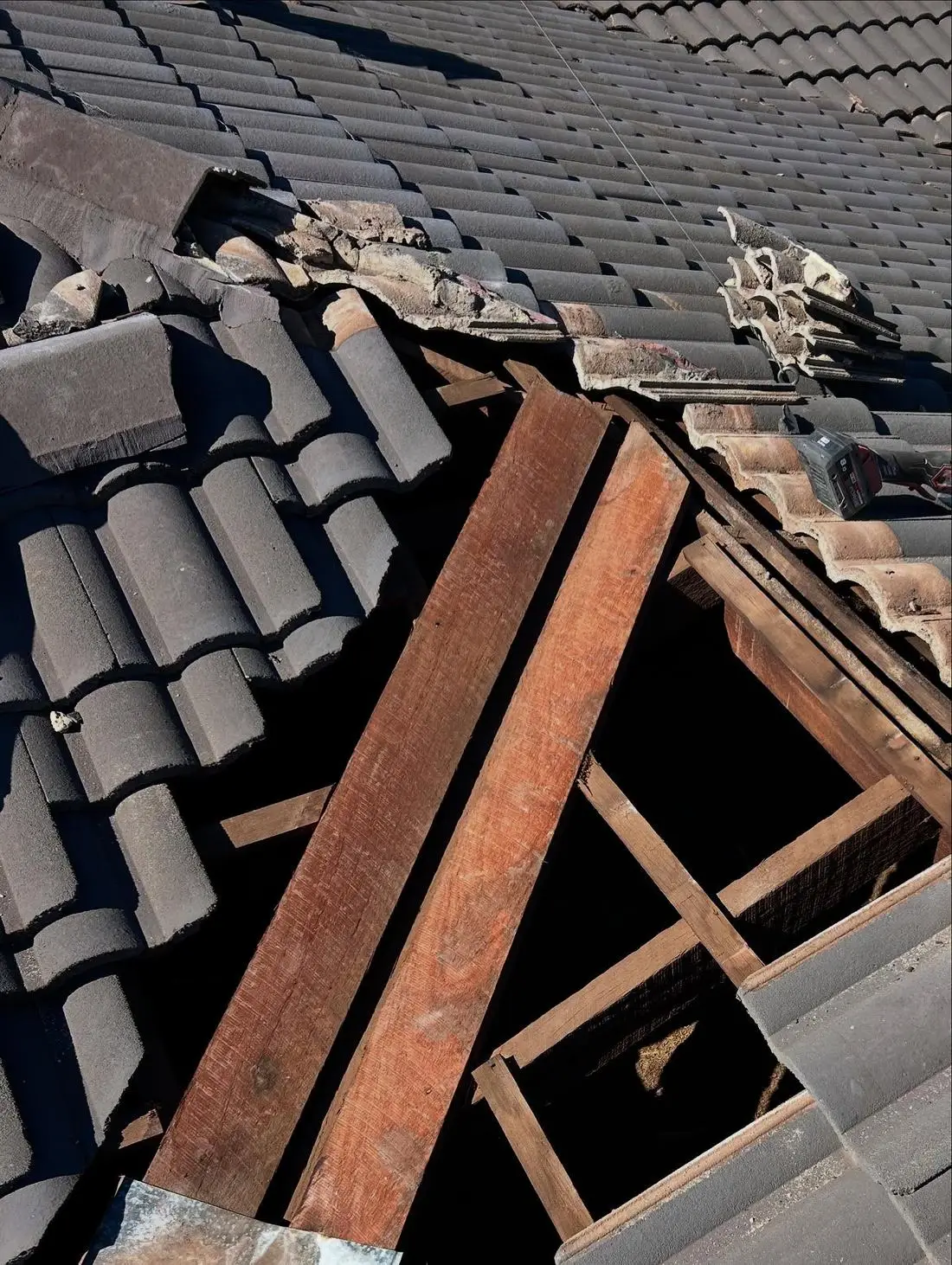
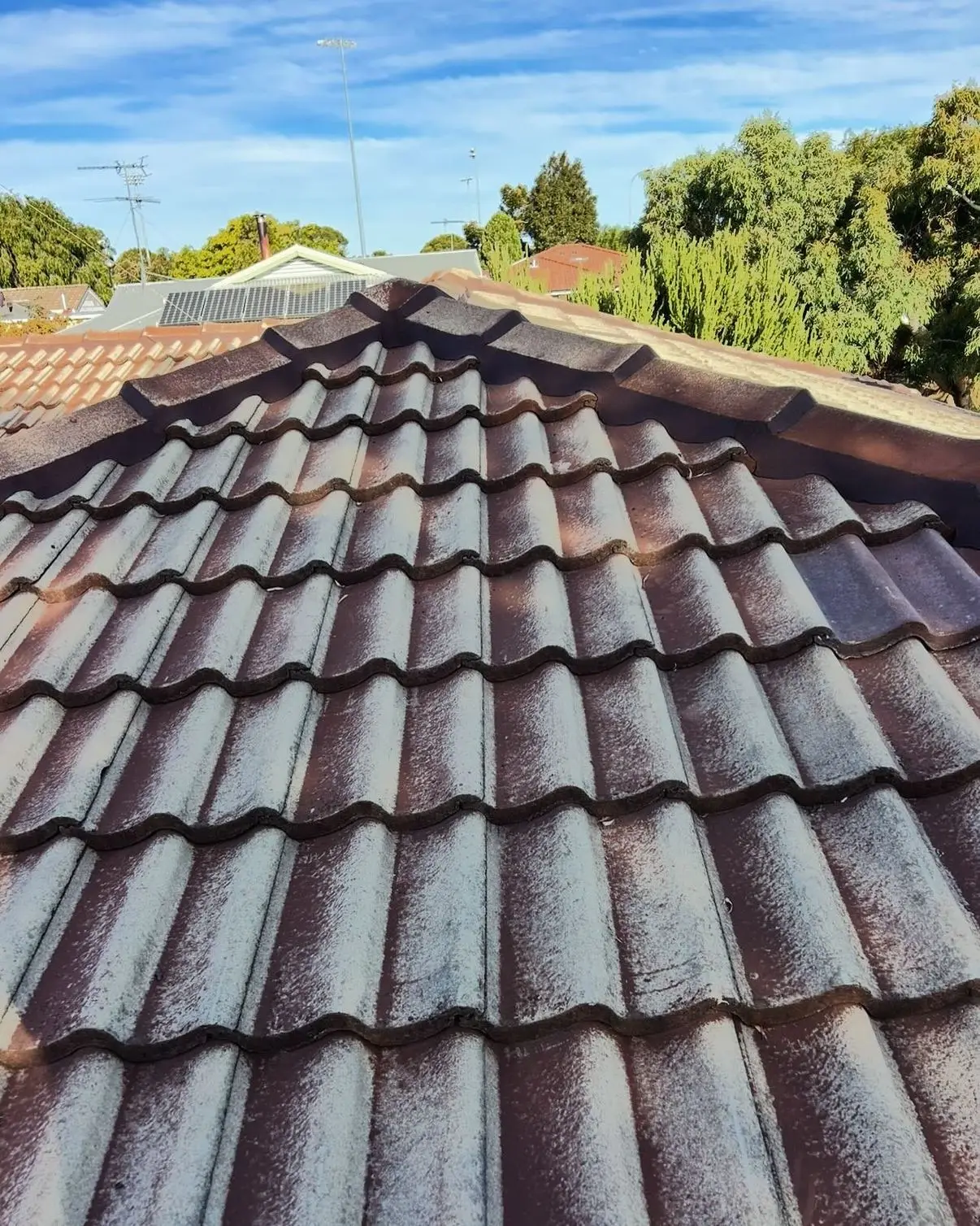
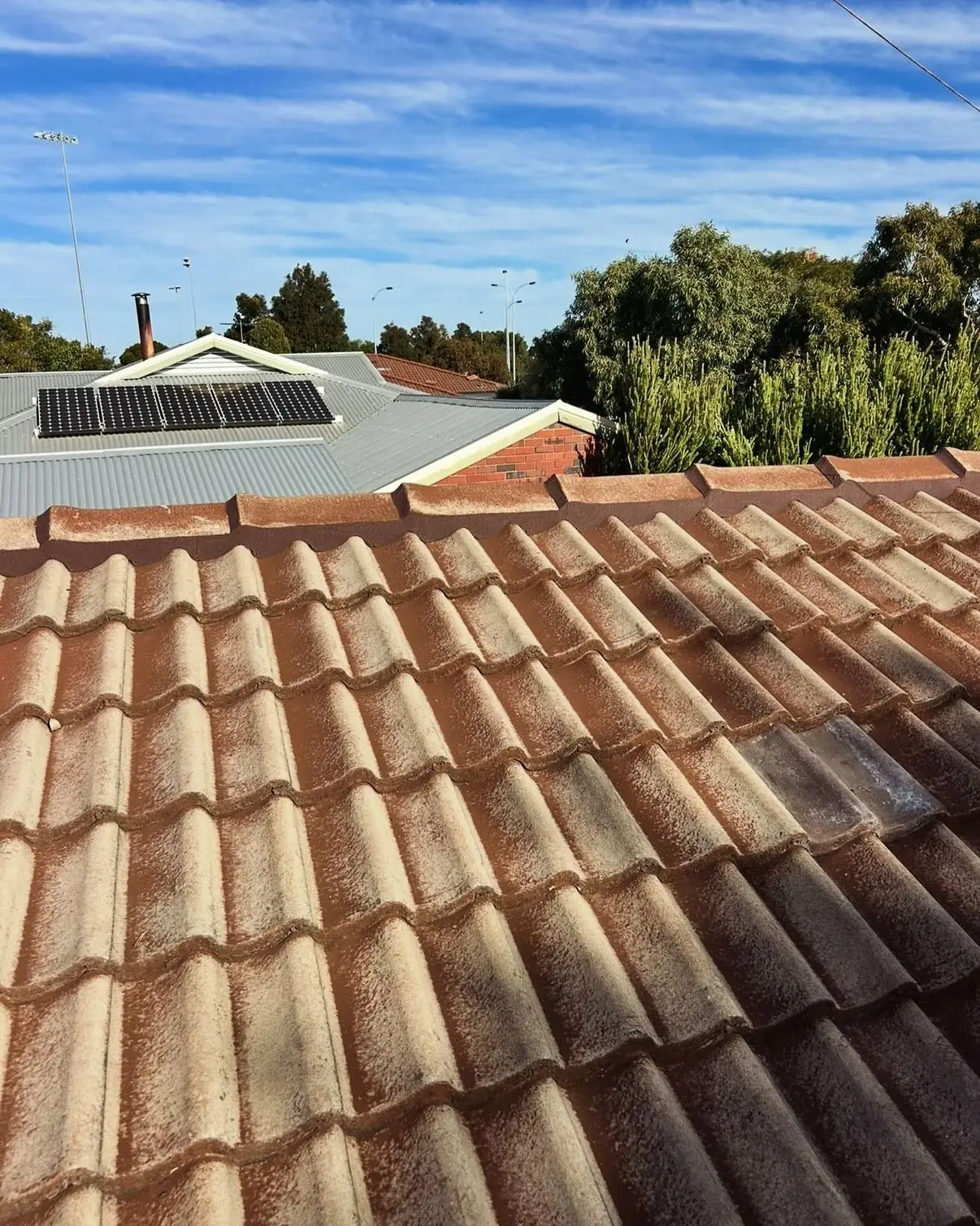
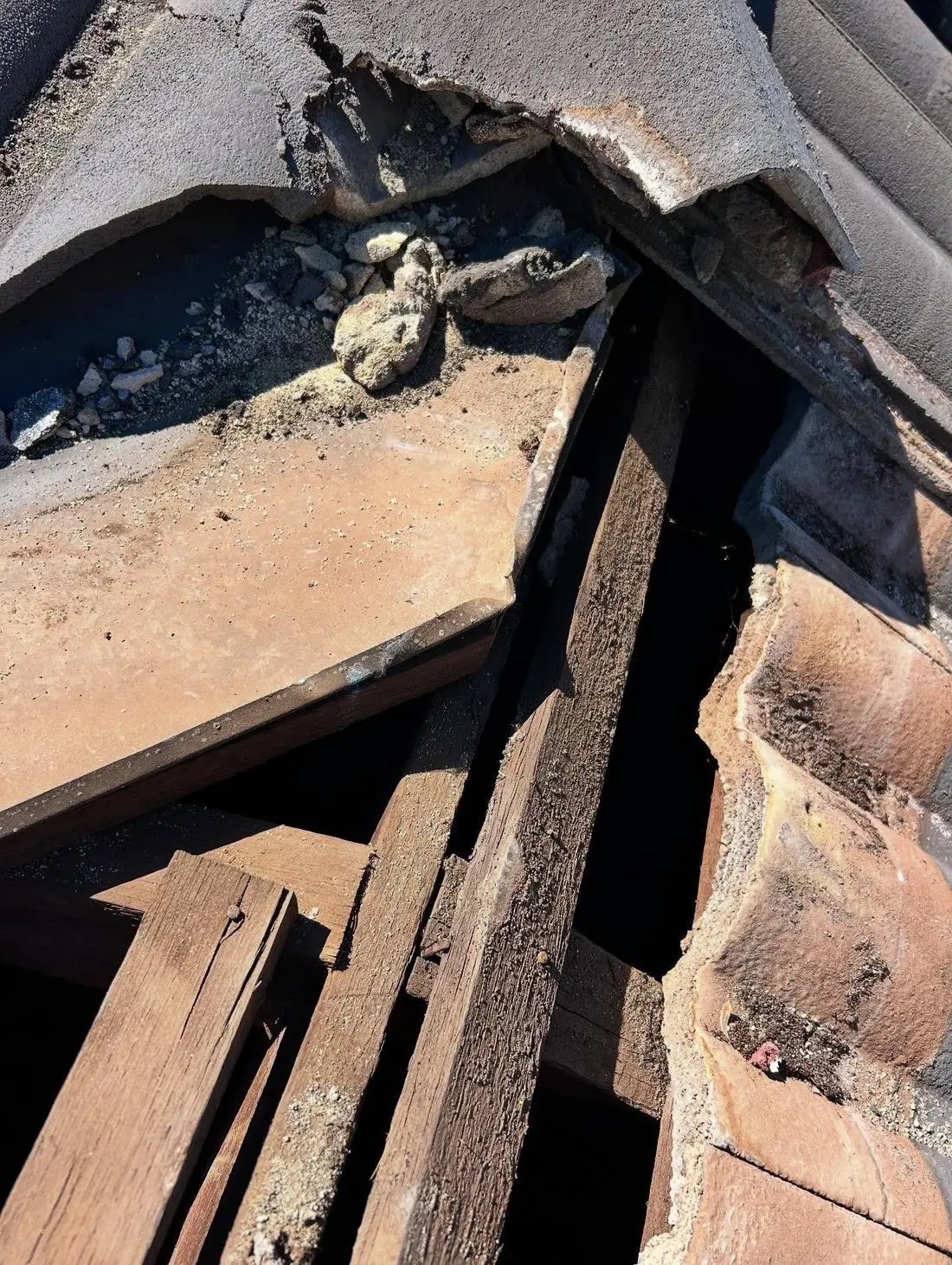
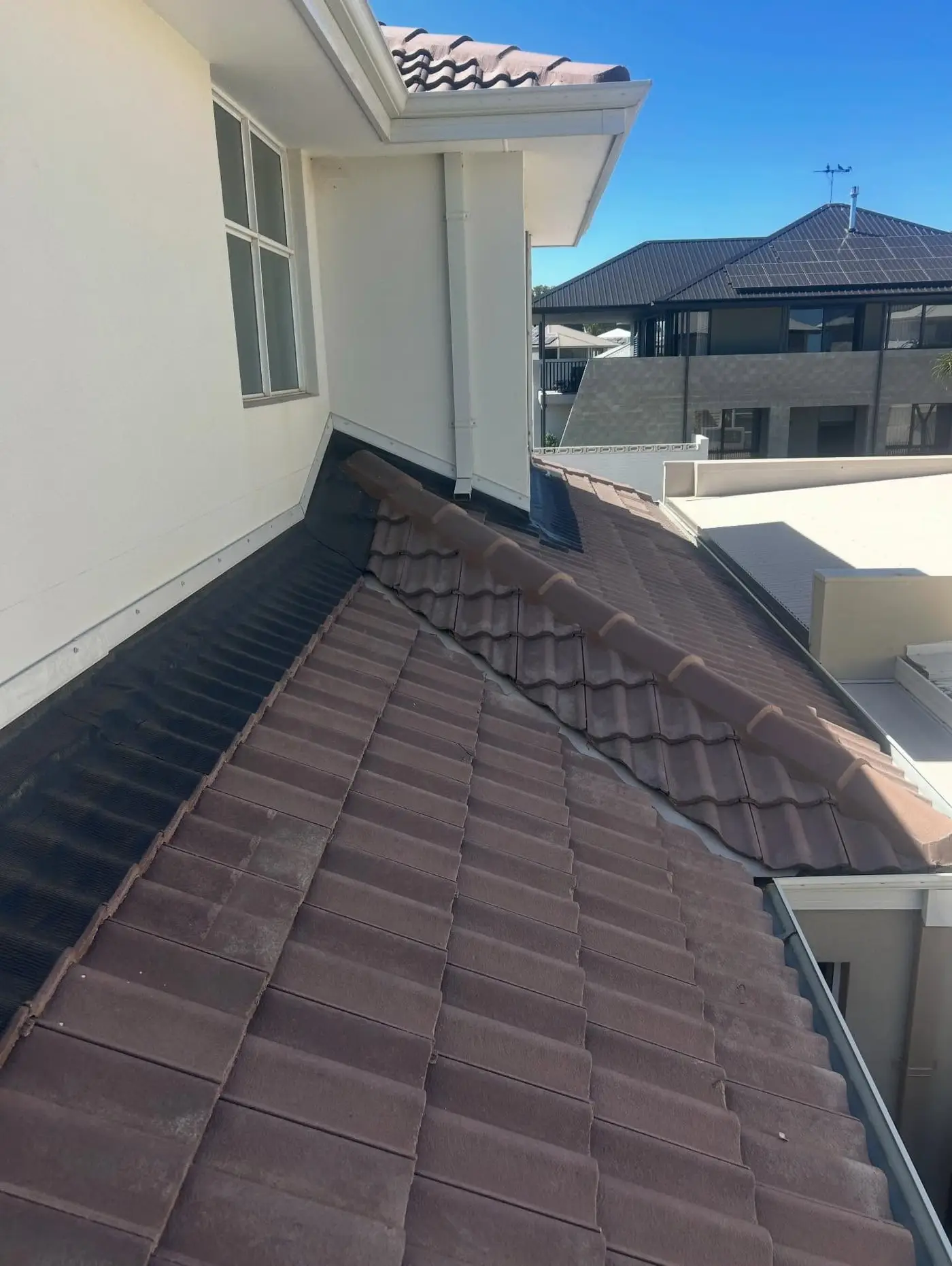
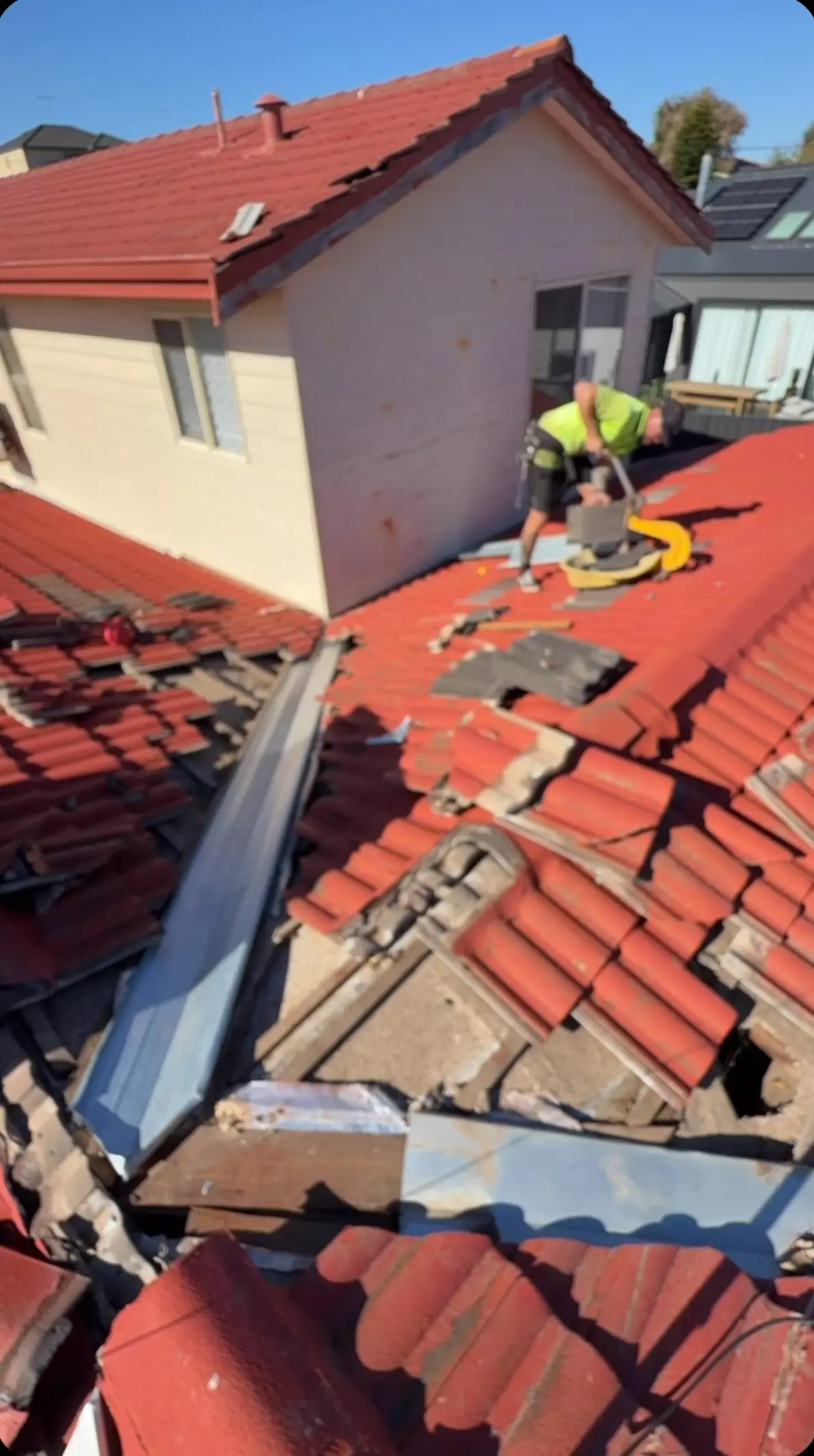
The stain is rarely under the gap
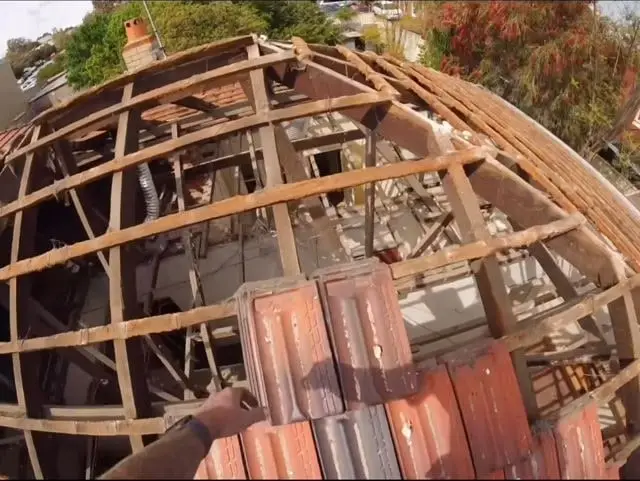
Water that gets past a tile or a failed ridge does not always drip straight down. It can run along battens, rafters or sarking before it finds its way into the ceiling, so the stain can be metres from where the water got in.
On one of Shane’s jobs, a leak entering at the ridge line ran along steel rafters and showed up in a wardrobe four metres away.
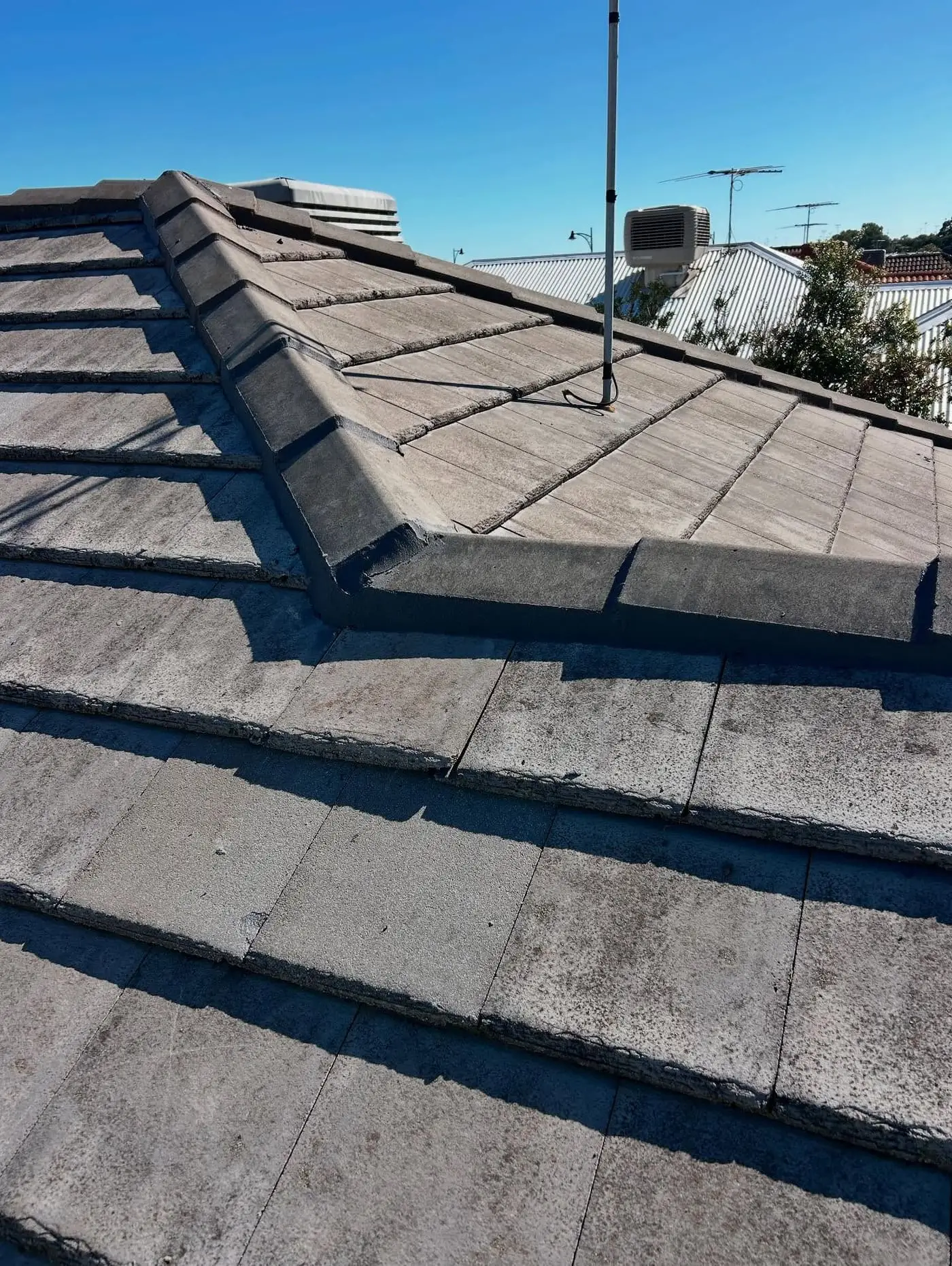
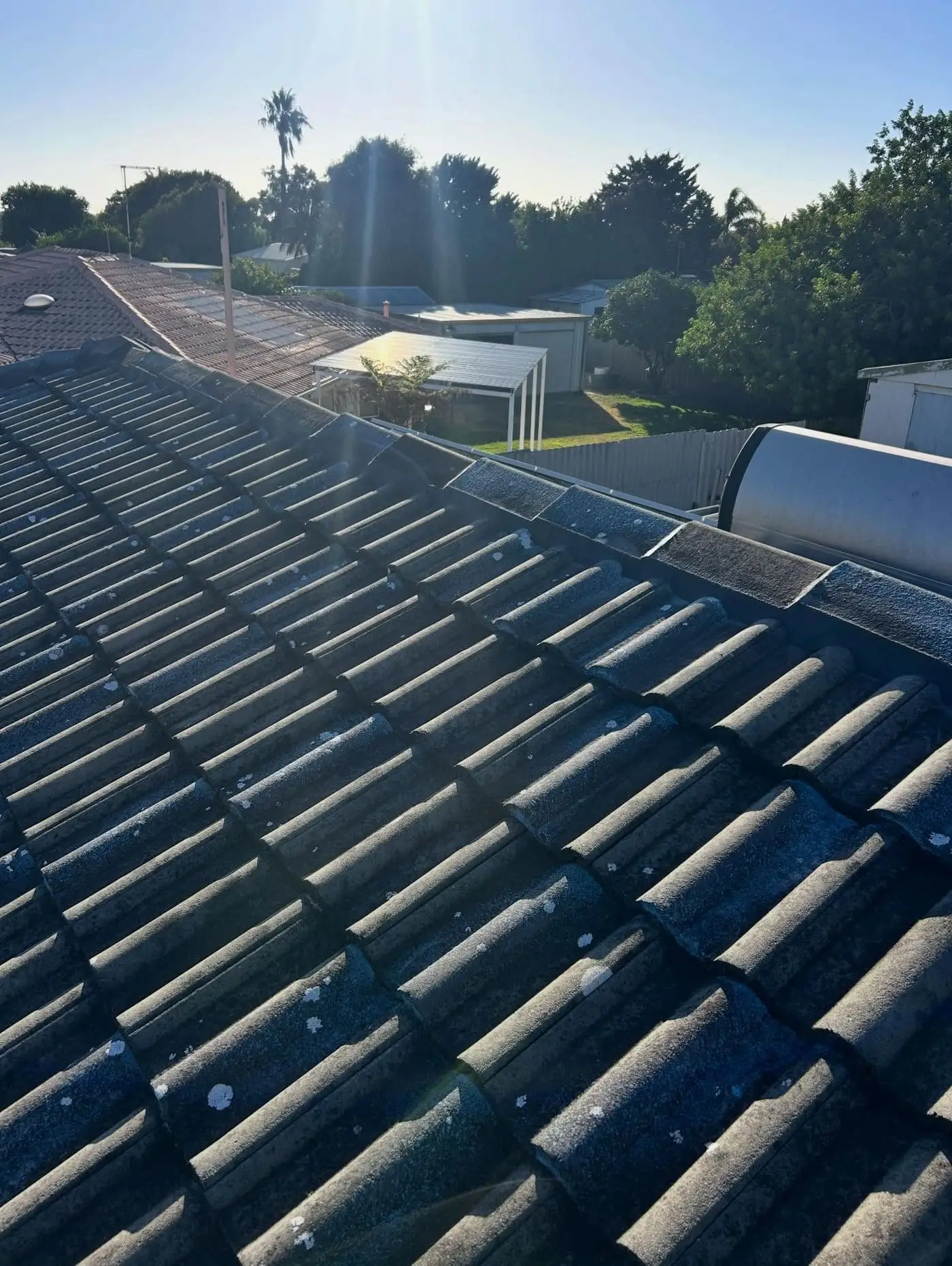
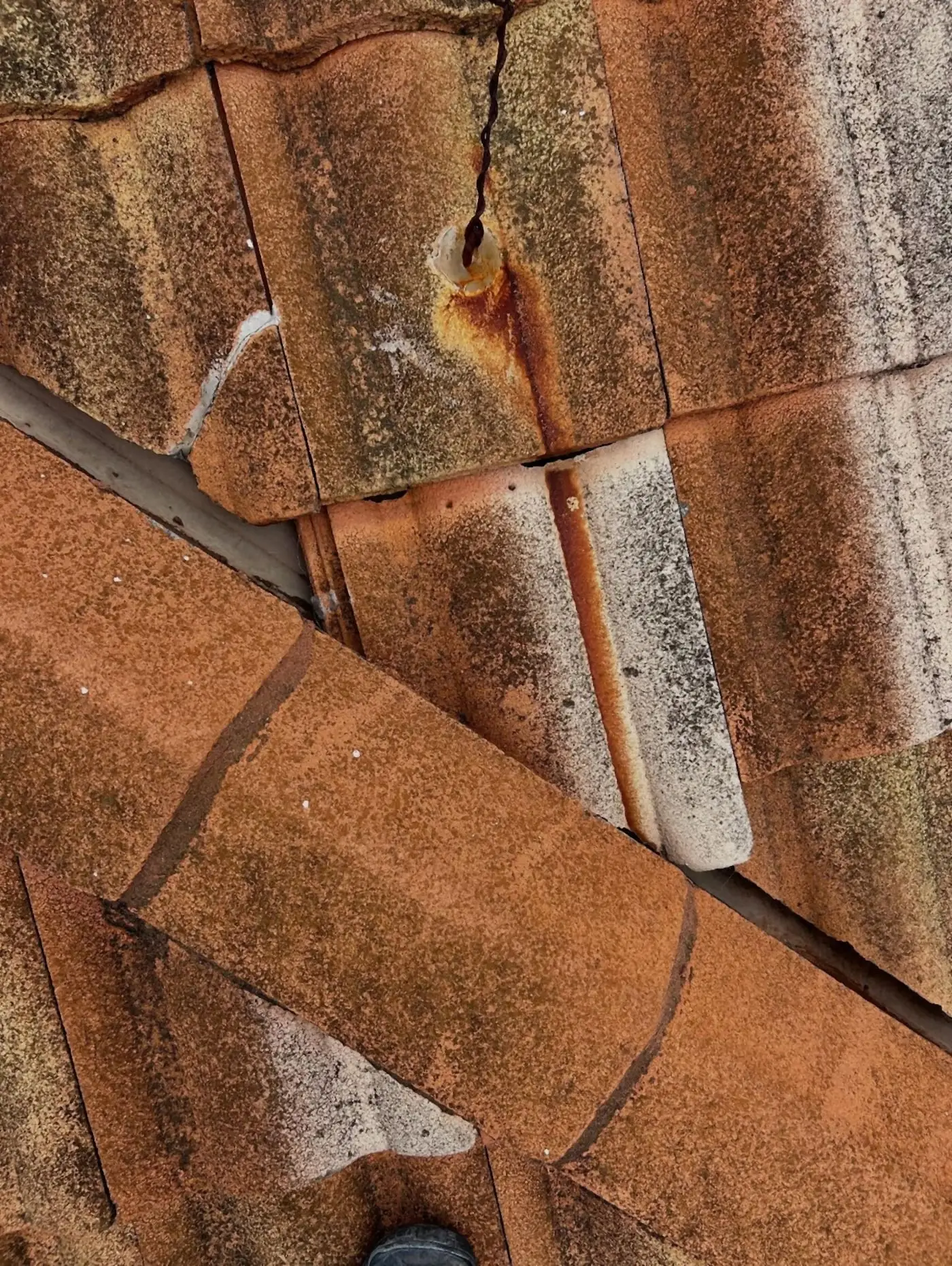
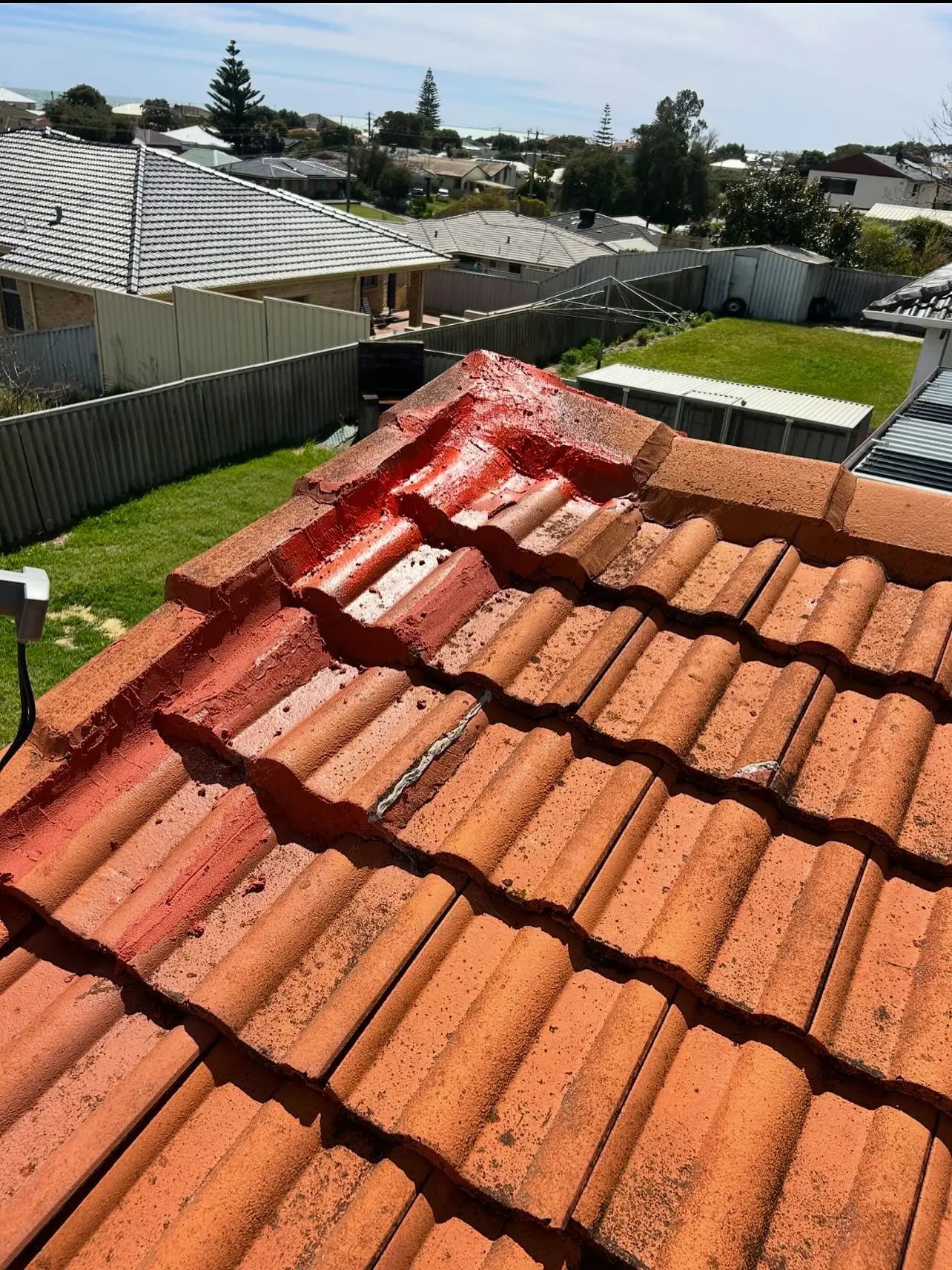
Where water usually gets into a tiled roof
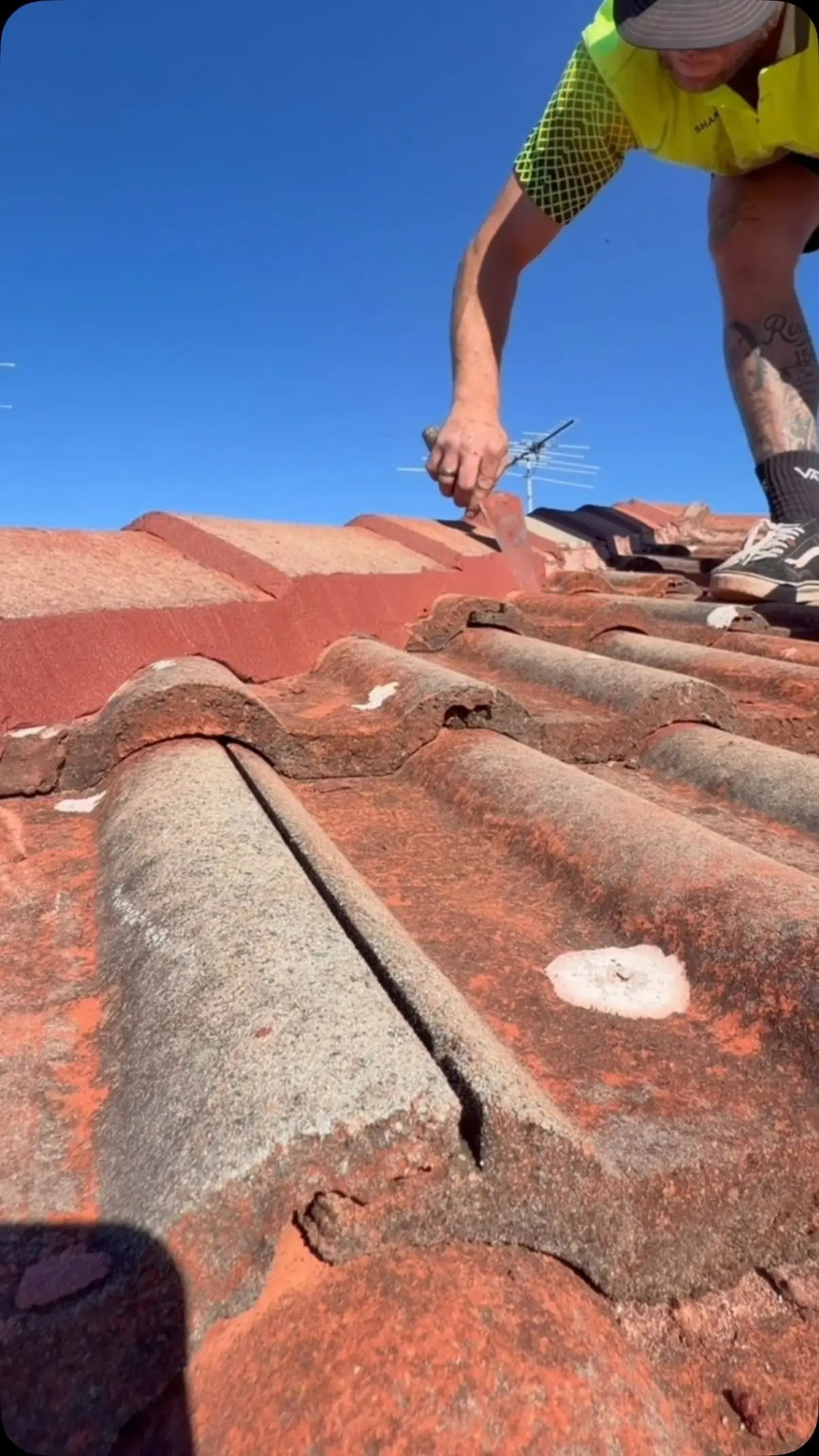
- Cracked, broken or slipped tiles.
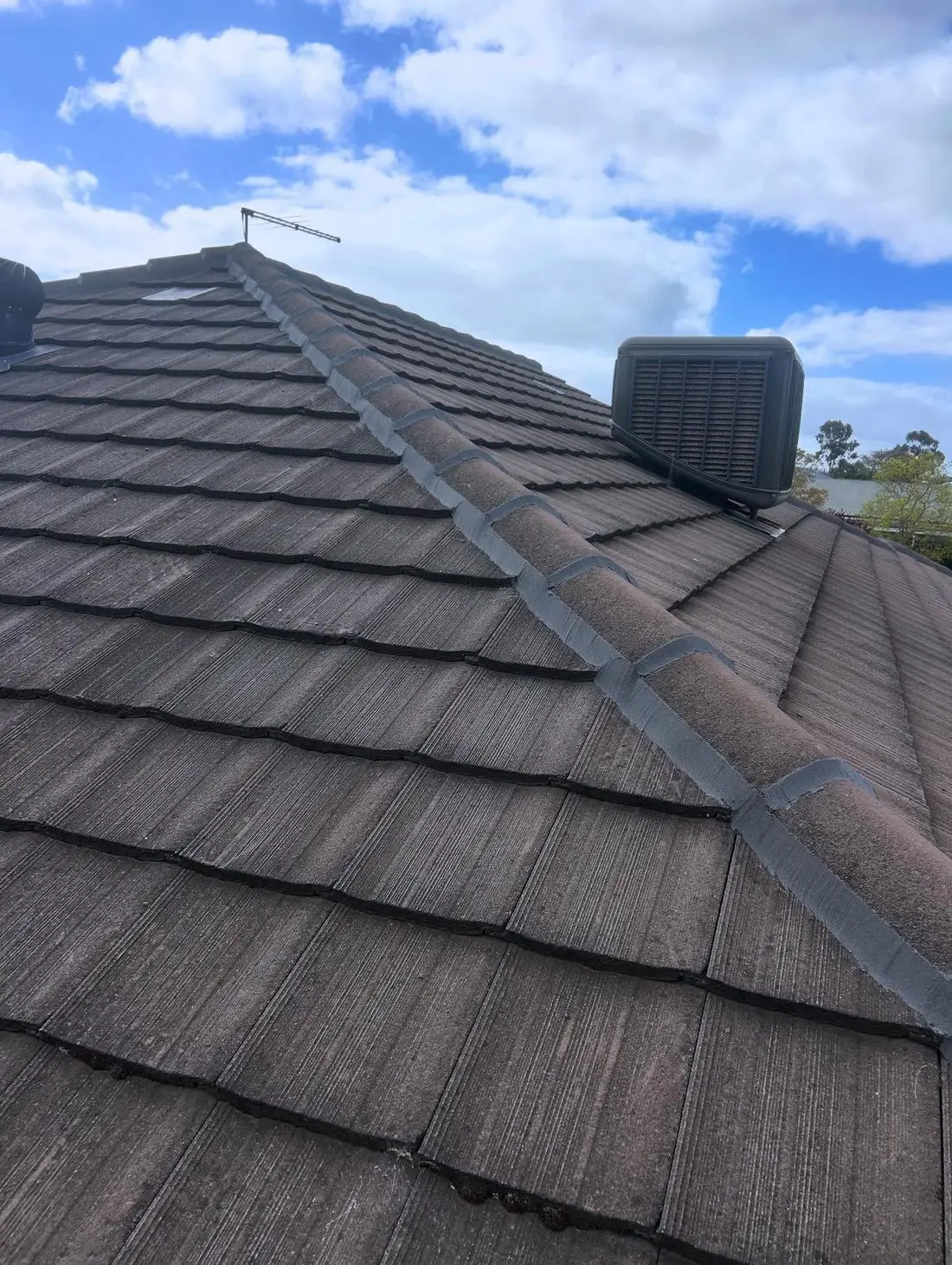
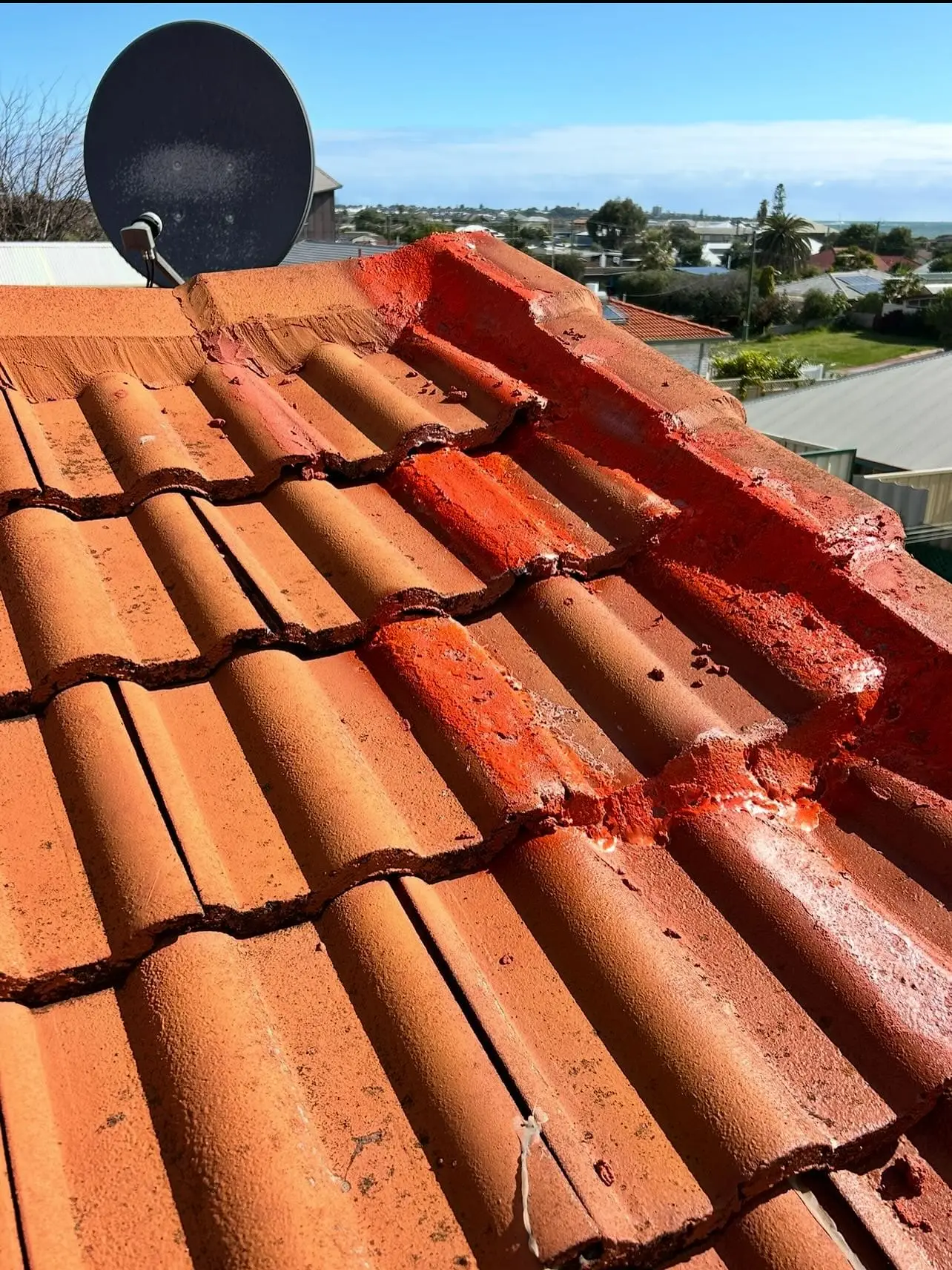
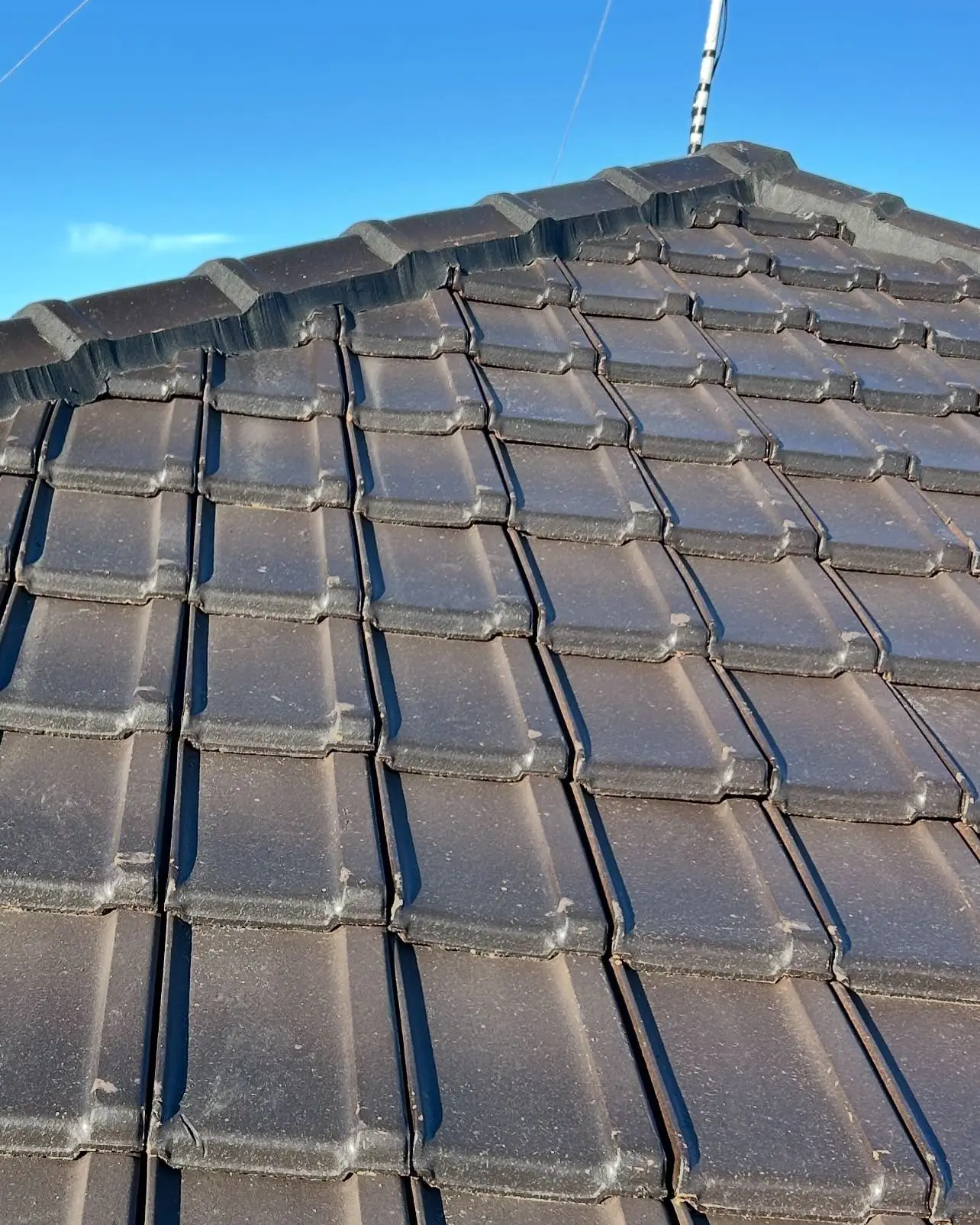
- Ridge and hip caps where the pointing or bedding has cracked or come away.
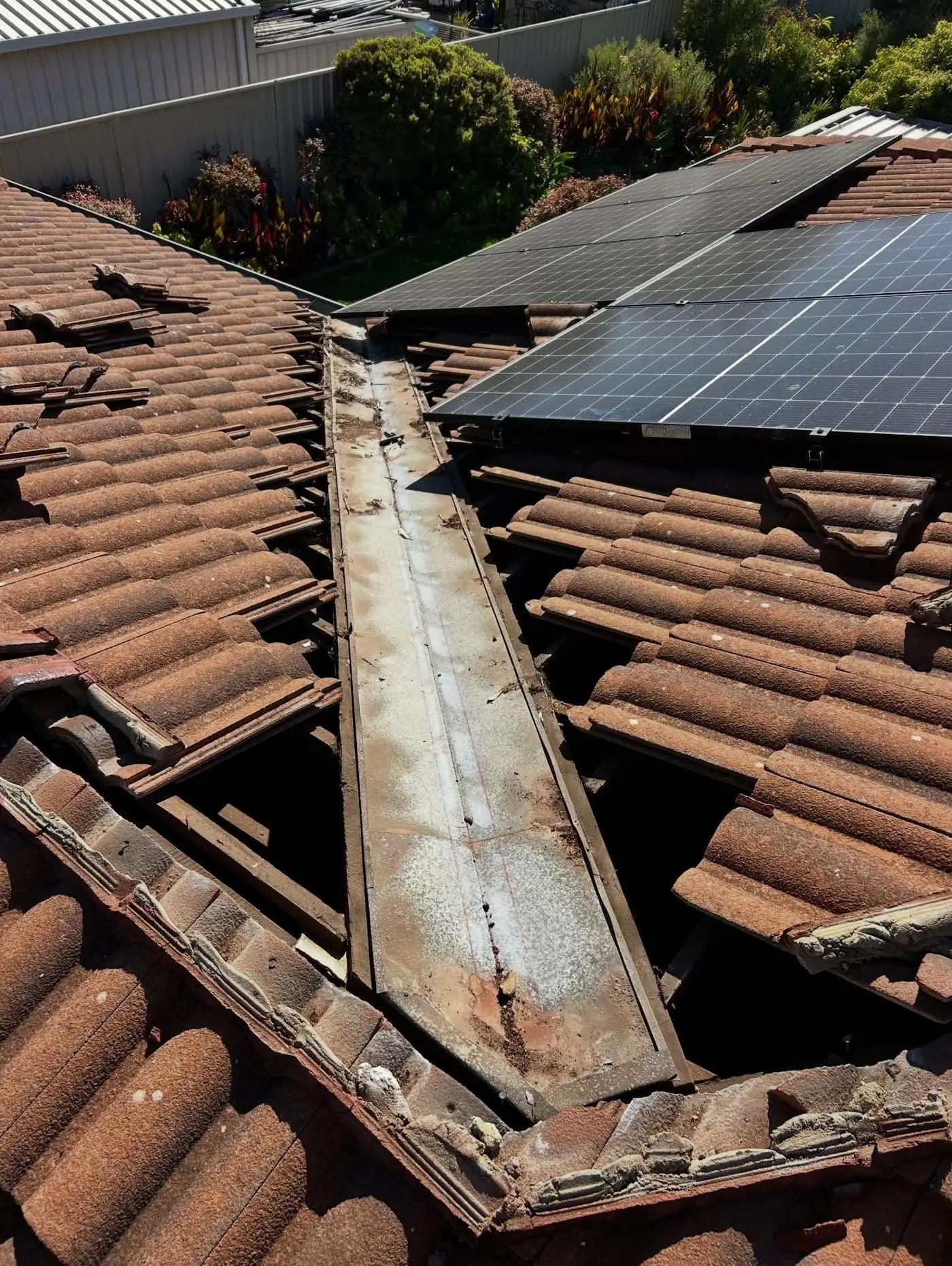
- Valleys that have rusted through or filled with leaves.
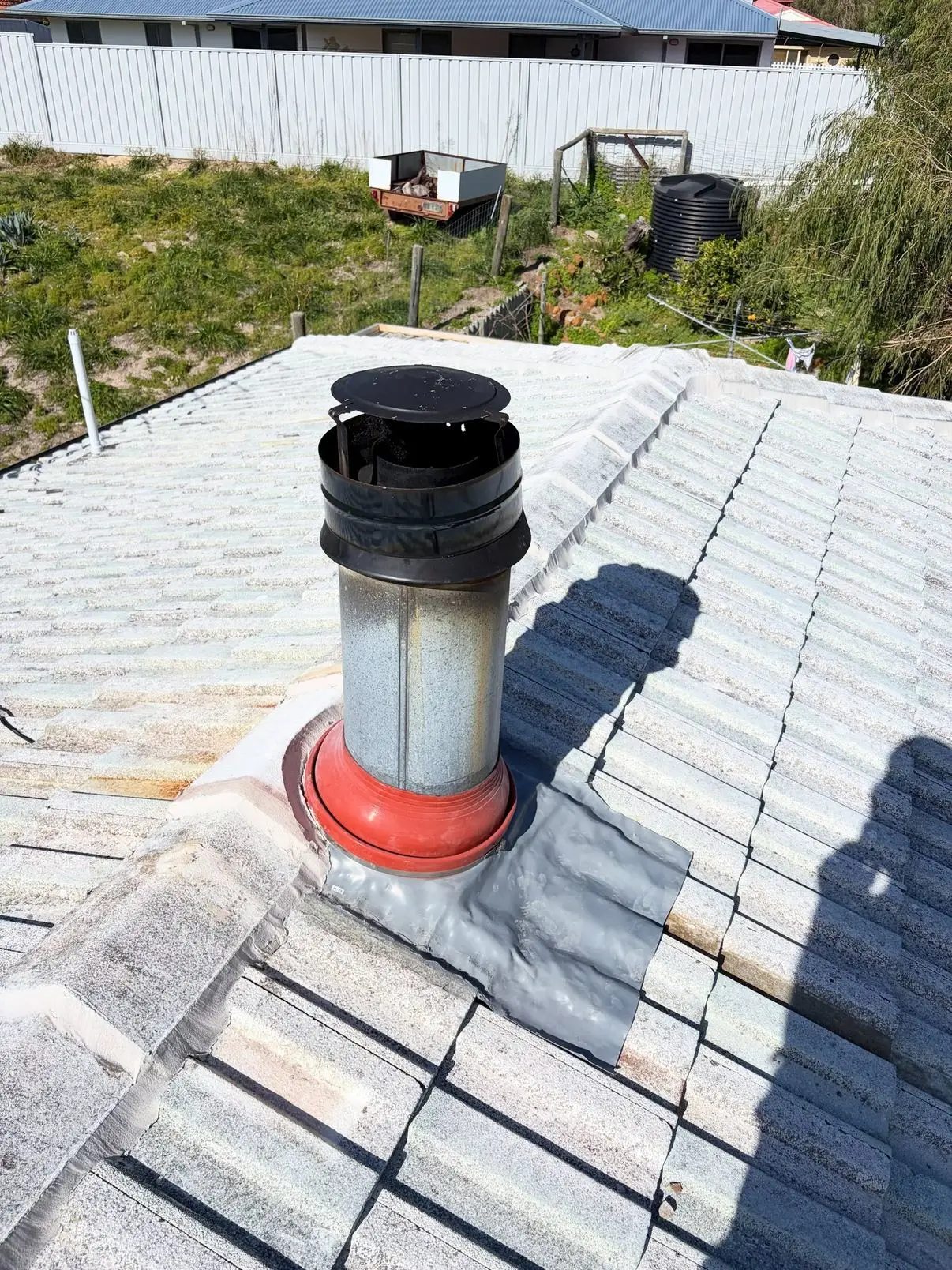
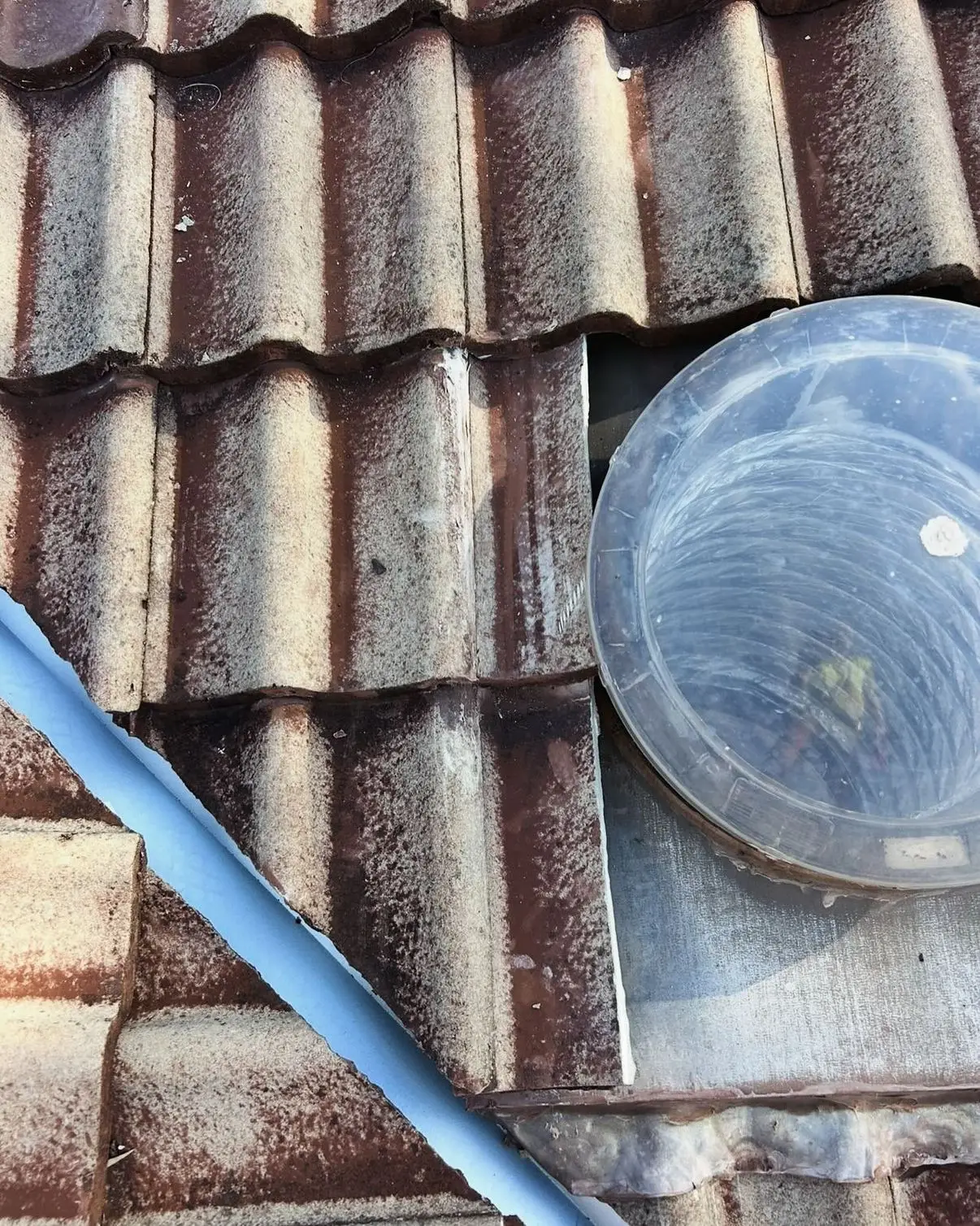
- Flashings around chimneys, flues, skylights and walls.
- Blocked gutters that overflow back into the eaves.
What to note from the ground
- Where the water or stain shows inside, and roughly where that sits under the roof.
- When it happens: in every rain, only in heavy rain, or only when wind drives the rain from one direction.
- When you first noticed it, and whether it is getting worse.
- Photos of the ceiling, and of the roof taken from the ground or a window.
Keep it safe while you wait
Put a bucket or towels under drips and move anything valuable out of the way. Keep clear of light fittings and power points near the water, and have an electrician check any that water has reached.
Do not climb onto the roof, especially while it is wet. Tiles can crack underfoot, and wet tiles are slippery.
Updated . General information about tiled roofs, not advice about a particular roof.